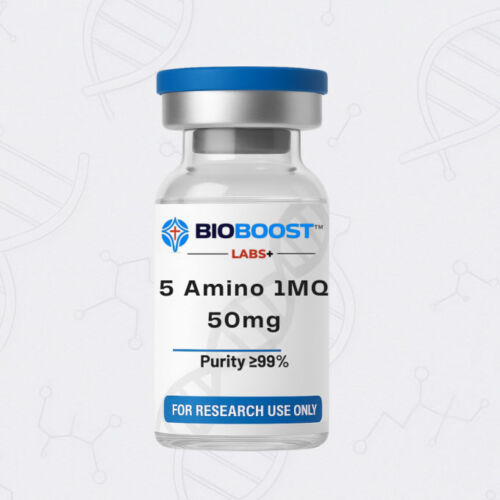
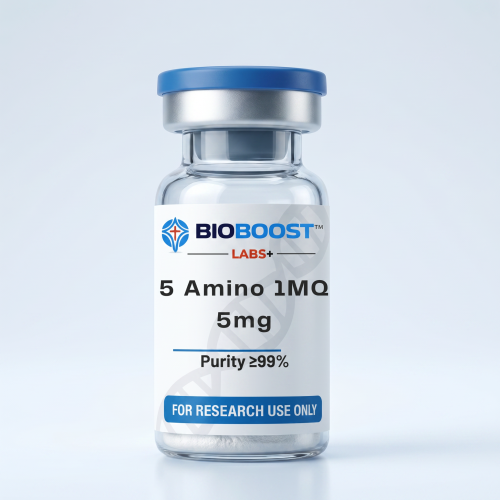
 5-Amino-1MQ is a synthetic small molecule supplied for in vitro laboratory research use only. This compound is studied for its role in NNMT enzyme inhibition kinetics and associated intracellular biochemical signaling pathways in non-clinical cell models. Not for human or animal use.
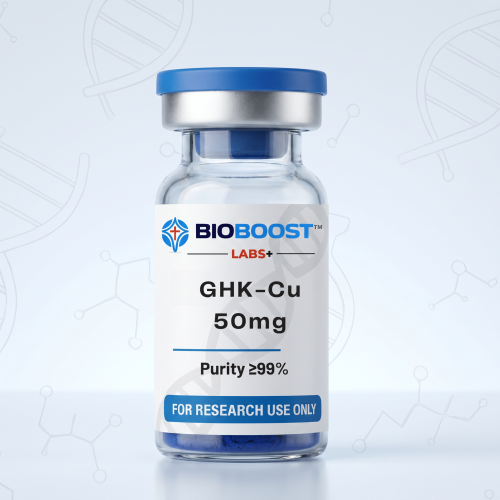 GHK-Cu is a copper-peptide complex supplied as a research reference standard for in-vitro metal-ion peptide coordination studies, extracellular matrix component interaction profiling, and downstream signaling cascade analysis. For in vitro laboratory research use only. Not for use in any living organism.
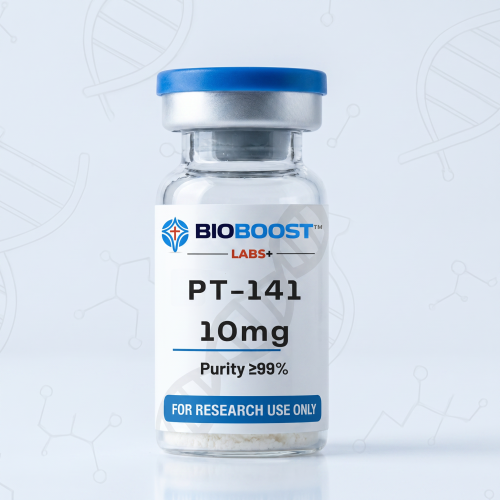 A synthetic melanocortin receptor agonist peptide with selective affinity for MC3R and MC4R receptor subtypes, supplied as a lyophilized research reference standard for in-vitro receptor binding selectivity profiling. For in vitro laboratory research use only. Not for use in any living organism.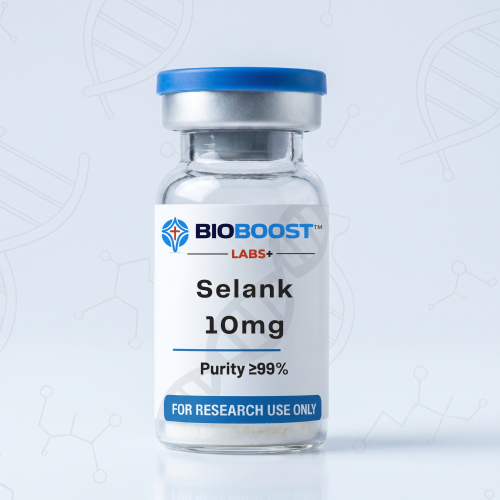
Selank is a synthetic tuftsin-derived peptide supplied as a lyophilized research reference standard for in-vitro neuropeptide receptor binding assays and neuroregulatory signaling cascade analysis. For in vitro laboratory research use only. Not for use in any living organism.
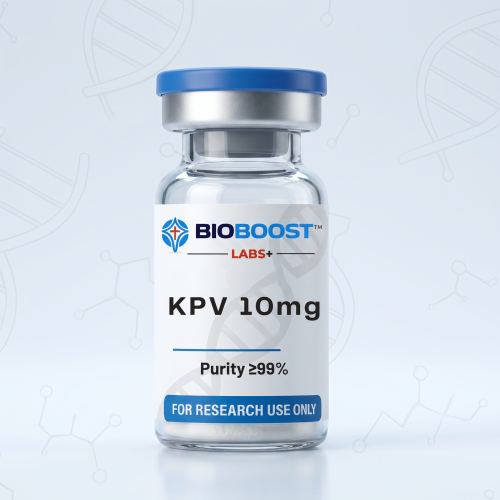 KPV (Lys-Pro-Val) is a precision-engineered synthetic tripeptide derived from α-MSH, utilized in advanced research models for its targeted modulation of inflammatory signaling and immune response pathways. It is widely studied for its role in cytokine regulation, antimicrobial-associated mechanisms, and localized cellular defense processes within controlled research environments.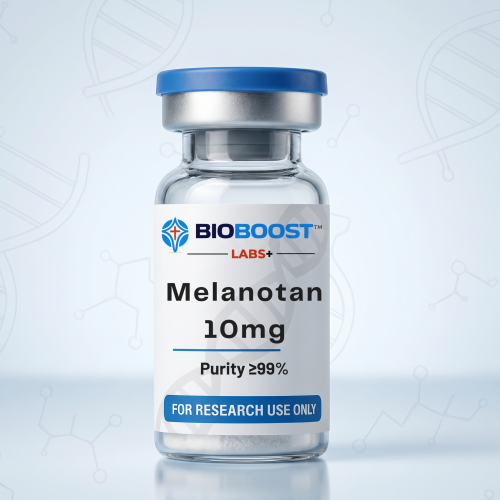
Melanotan II is a synthetic alpha-MSH analog peptide supplied as a lyophilized research reference standard for in-vitro melanocortin receptor subtype binding selectivity profiling (MC1R, MC3R, MC4R, MC5R) and downstream cAMP signaling cascade quantification. For in vitro laboratory research use only. Not for use in any living organism.
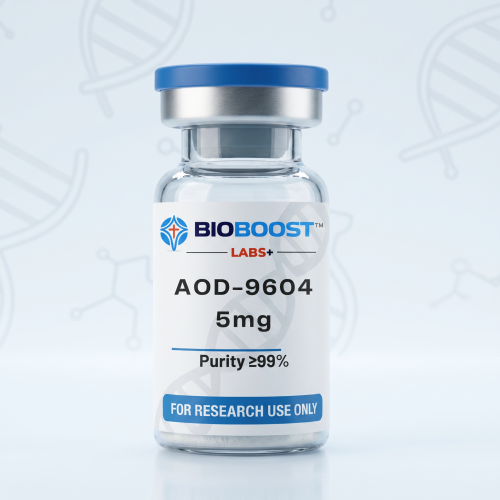
AOD-9604 is a synthetic peptide fragment corresponding to the C-terminal region (residues 177-191) of human growth hormone, supplied as a lyophilized research reference standard at 98% or greater purity. For in vitro laboratory research use only. Not for use in any living organism.
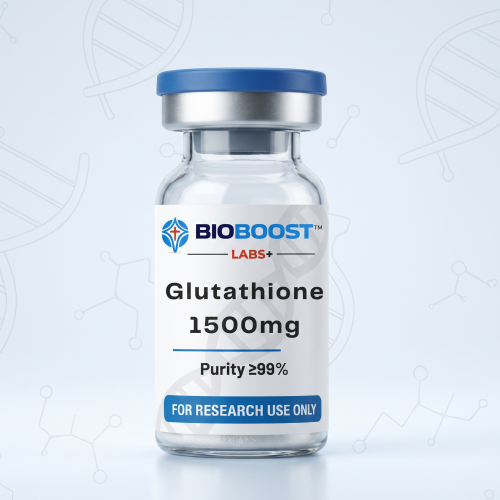 Glutathione (Reduced) is a tripeptide composed of glutamine, cysteine, and glycine, utilized in advanced research models for its central role in redox regulation and cellular defense mechanisms. It is widely studied for its interaction with reactive oxygen species and its involvement in oxidative stress modulation and detoxification pathways within controlled research environments.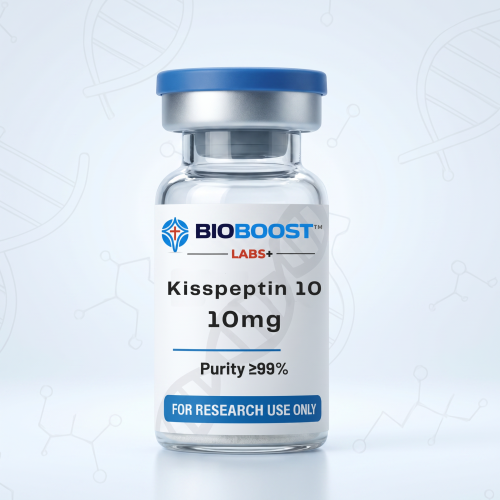
Kisspeptin-10 is a precision-engineered synthetic decapeptide studied in non-clinical in vitro models for its interaction with GPR54 (KISS1R) receptor binding kinetics and downstream neuroendocrine signaling pathway dynamics. For in vitro laboratory research use only. Not for human or animal use.
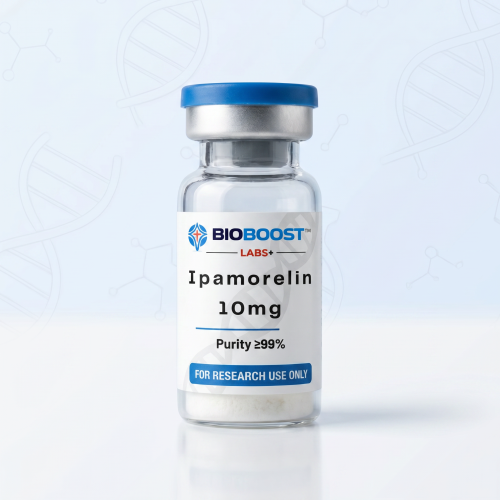 Ipamorelin is a synthetic pentapeptide with selective GHS-R1a receptor affinity, studied in controlled non-clinical in vitro models for its interaction with ghrelin receptor binding kinetics and downstream intracellular signaling pathway dynamics. For in vitro laboratory research use only. Not for human or animal use.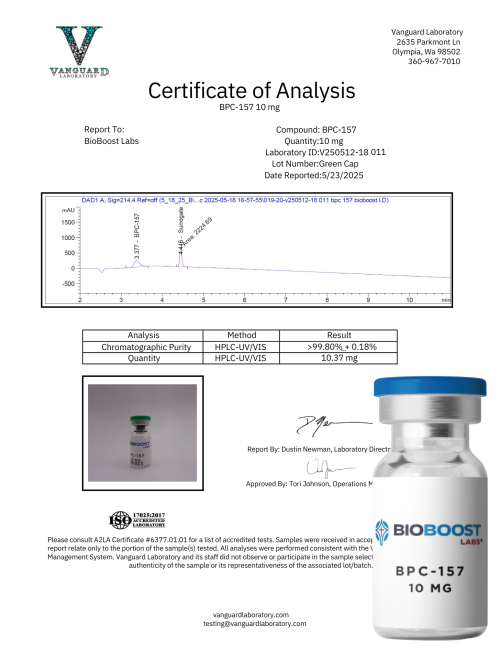
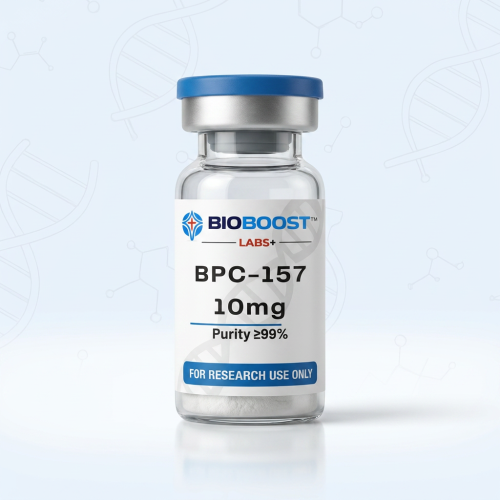
BPC-157 is a synthetic 15-amino acid peptide of investigational interest in non-clinical research models. It is studied in vitro for its effects on cellular signaling pathways and angiogenic mechanisms. For in vitro laboratory research use only. Not for human or animal use.
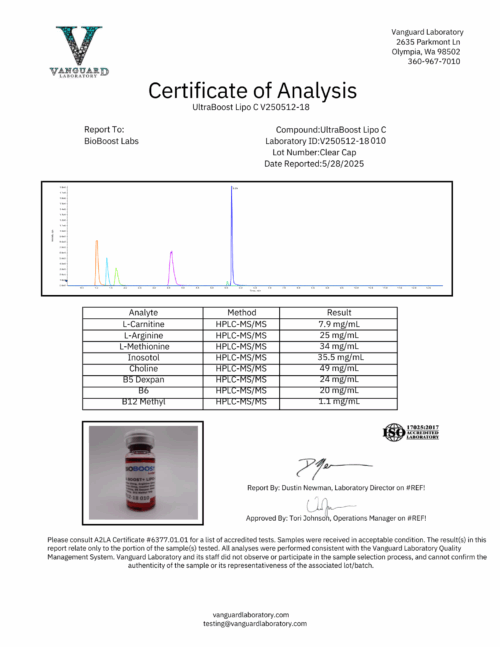
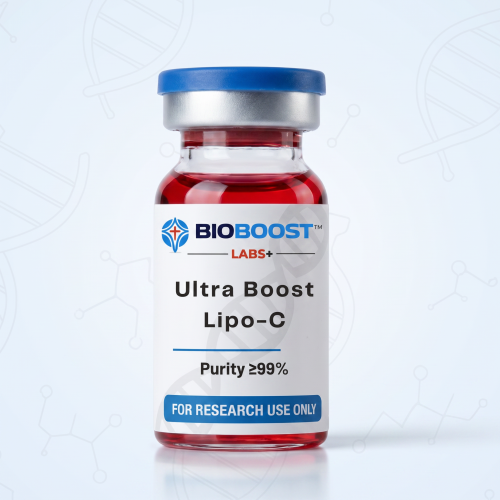 Lipo-C Lipotropic Research Complex is a precision-formulated lipotropic research complex combining Methionine, Inositol, Choline, and Vitamin B12, utilized in advanced research models to investigate lipid metabolism, cellular energy regulation, and hepatic-associated metabolic pathways. It is widely studied for its role in lipid transport, methylation processes, and coordinated metabolic signaling within controlled research environments.

Age Verification Required
Please confirm you meet the requirements to browse this site.
Research Use Only (RUO) Terms
Products offered on this site are intended for Research Use Only (RUO) and are not intended for diagnostic or therapeutic use in humans or animals.
By proceeding, you acknowledge that you will use these products solely for research purposes in accordance with all applicable laws and regulations.

You must be logged in to post a comment.