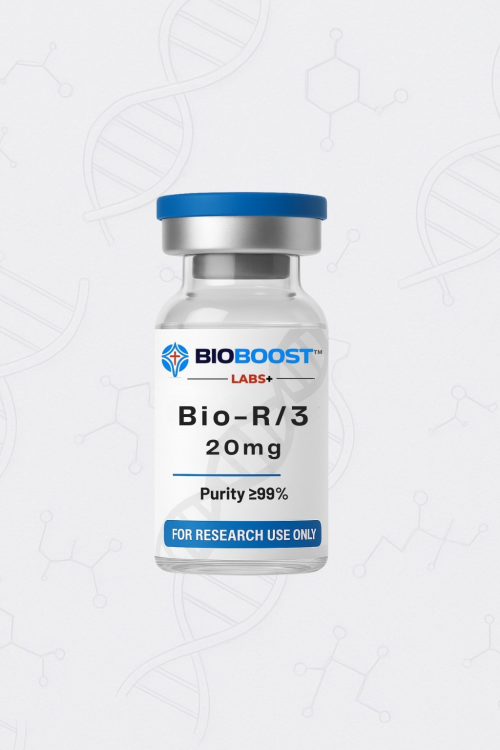
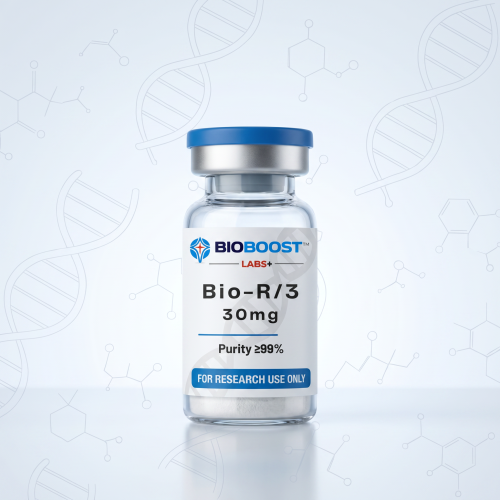
 Bio R/3
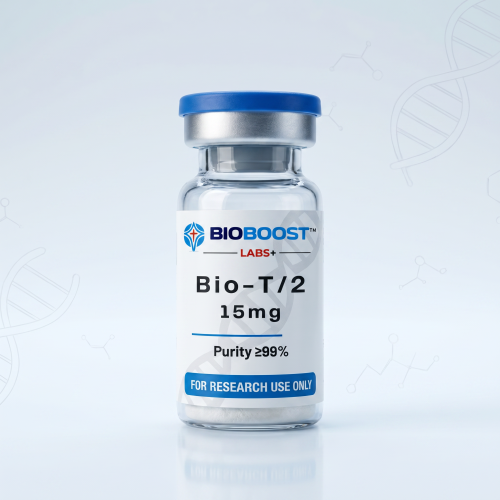 T-2 is a synthetic dual-receptor research peptide supplied as a lyophilized reference standard for in-vitro GIP and GLP-1 receptor binding selectivity profiling and incretin pathway signaling analysis. For in vitro laboratory research use only. Not for use in any living organism.
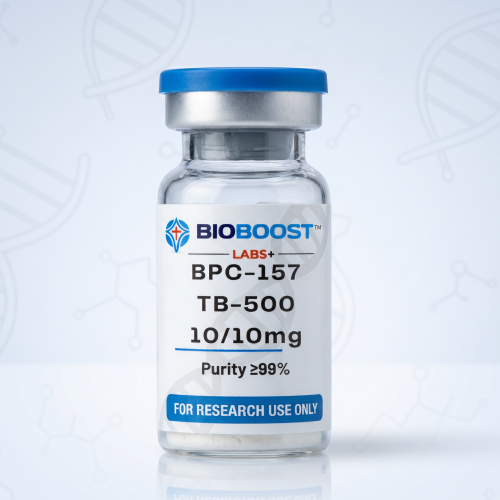 This dual-peptide research blend is a precision-formulated research combination of BPC-157 (10mg) and TB-500 (10mg), two of the most extensively studied peptides in preclinical connective tissue and cellular repair research. Each batch is analytically verified to ≥98% purity via HPLC and supplied with full third-party COA documentation. For in vitro and laboratory research use only — not for human or animal consumption.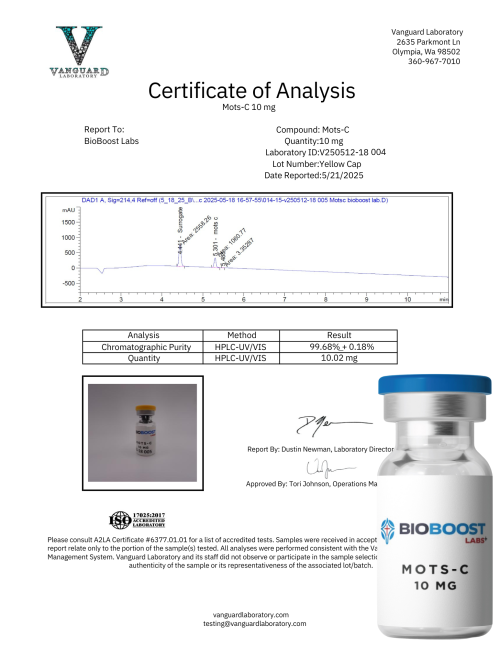
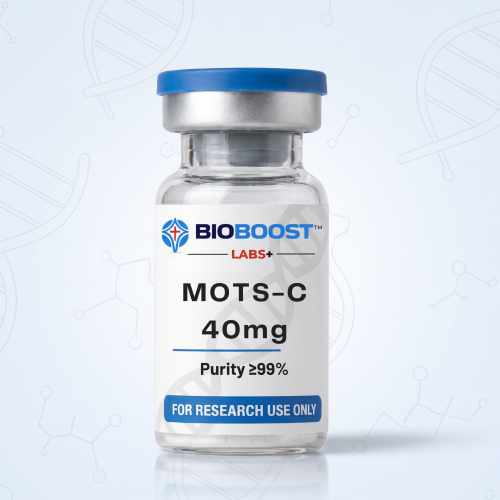 MOTS-c a mitochondria-derived peptide engineered for advanced research into metabolic regulation, energy utilization, and cellular signaling. Known for its role in mitochondrial communication and adaptive stress response pathways, MOTS-c is a key compound in studies focused on glucose metabolism, insulin signaling, and metabolic efficiency within controlled laboratory environments.
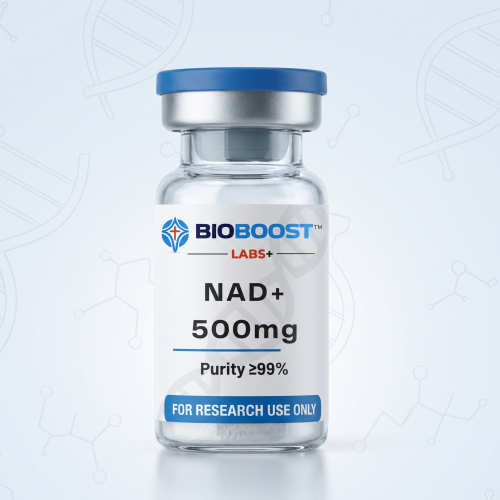 NAD+ (Nicotinamide Adenine Dinucleotide) is a coenzyme supplied as a research-grade reagent for in-vitro redox reaction studies, mitochondrial electron transport chain analysis, sirtuin pathway activity assays, and DNA repair mechanism quantification. For in vitro laboratory research use only. Not for use in any living organism.
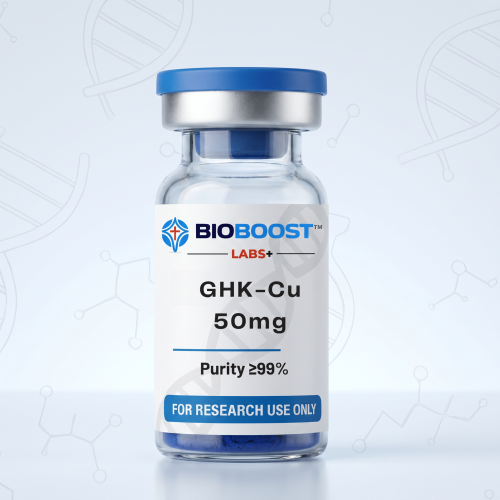 GHK-Cu is a copper-peptide complex supplied as a research reference standard for in-vitro metal-ion peptide coordination studies, extracellular matrix component interaction profiling, and downstream signaling cascade analysis. For in vitro laboratory research use only. Not for use in any living organism.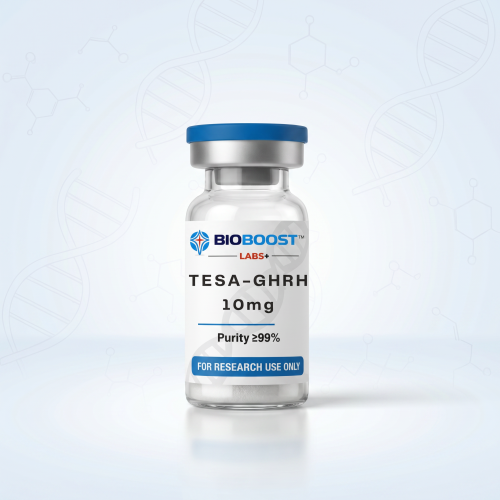
A synthetic growth hormone-releasing hormone receptor-binding peptide analog supplied as a lyophilized research reference standard for in-vitro GHRH receptor binding kinetics and downstream endocrine signaling pathway analysis. For in vitro laboratory research use only. Not for use in any living organism.
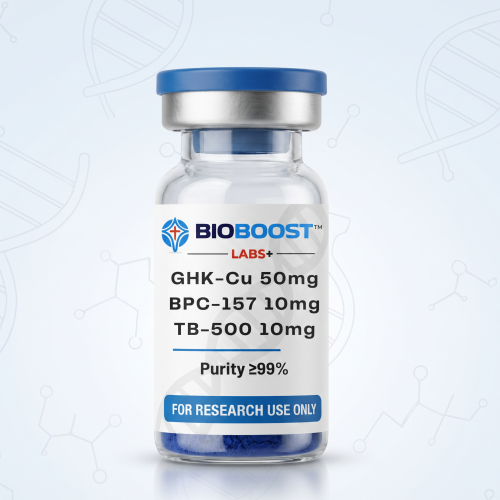
GHK-Cu / BPC-157 / TB-500 Research Blend is a multi-peptide research complex supplied as a lyophilized reference standard for in-vitro multi-target pathway interaction profiling and comparative signaling cascade studies. For in vitro laboratory research use only. Not for use in any living organism.
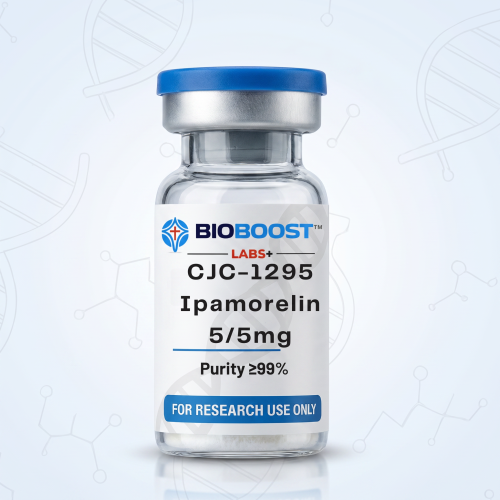
Dual-peptide research blend combining CJC-1295 (without DAC) and Ipamorelin for in vitro investigation of GHRH receptor binding kinetics and endocrine signaling pathway dynamics in non-clinical models. For laboratory research use only. Not for human or animal use.
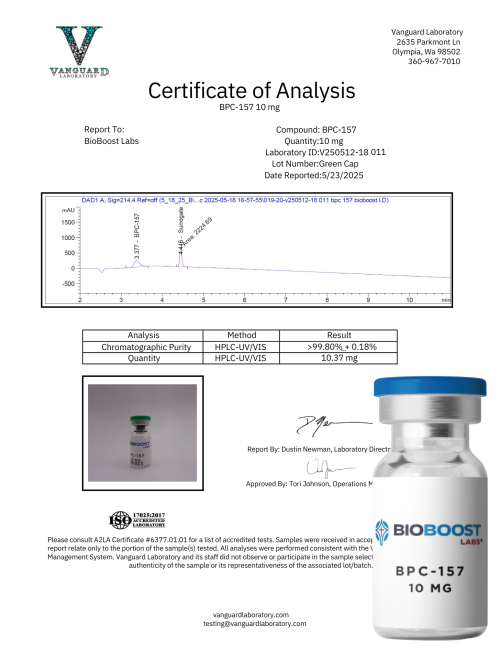
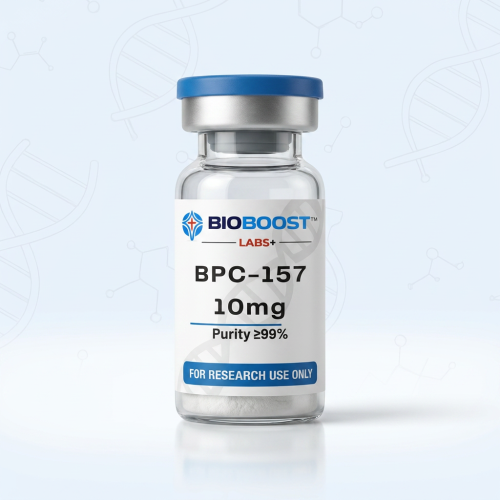
BPC-157 is a synthetic 15-amino acid peptide of investigational interest in non-clinical research models. It is studied in vitro for its effects on cellular signaling pathways and angiogenic mechanisms. For in vitro laboratory research use only. Not for human or animal use.
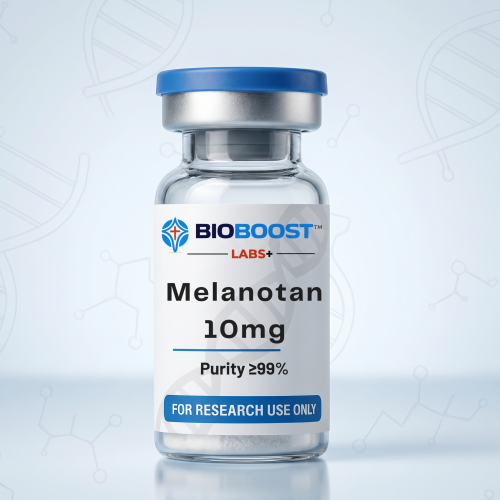
Melanotan II is a synthetic alpha-MSH analog peptide supplied as a lyophilized research reference standard for in-vitro melanocortin receptor subtype binding selectivity profiling (MC1R, MC3R, MC4R, MC5R) and downstream cAMP signaling cascade quantification. For in vitro laboratory research use only. Not for use in any living organism.
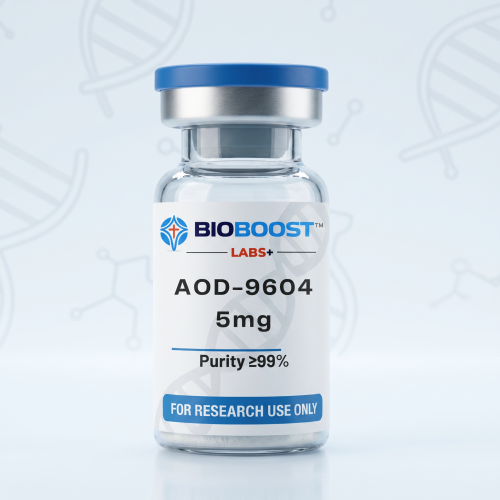
AOD-9604 is a synthetic peptide fragment corresponding to the C-terminal region (residues 177-191) of human growth hormone, supplied as a lyophilized research reference standard at 98% or greater purity. For in vitro laboratory research use only. Not for use in any living organism.

Age Verification Required
Please confirm you meet the requirements to browse this site.
Research Use Only (RUO) Terms
Products offered on this site are intended for Research Use Only (RUO) and are not intended for diagnostic or therapeutic use in humans or animals.
By proceeding, you acknowledge that you will use these products solely for research purposes in accordance with all applicable laws and regulations.

You must be logged in to post a comment.