-
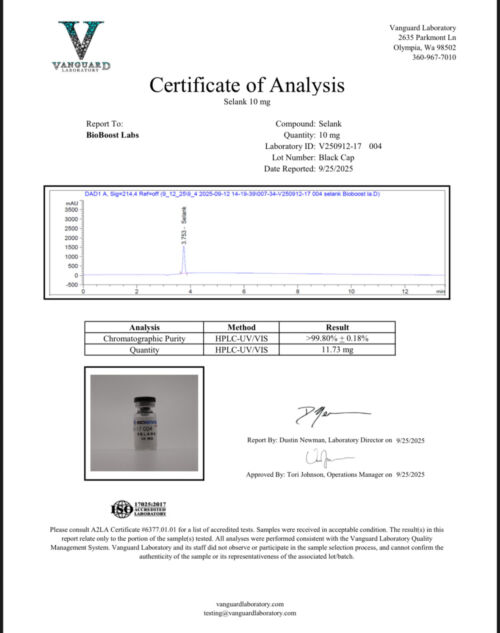
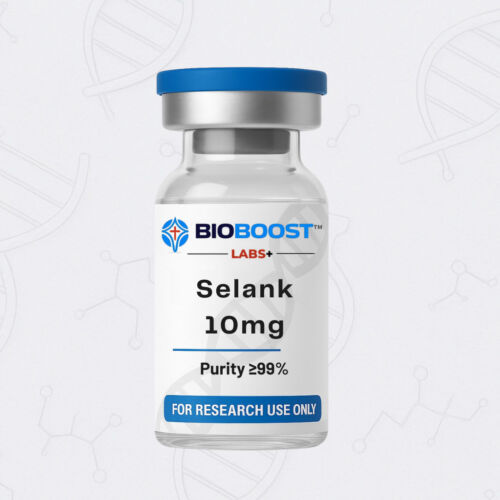 Synthetic heptapeptide derived from tuftsin, studied for its nootropic and anxiolytic effects in central nervous system models. Linked to GABA modulation.
 -
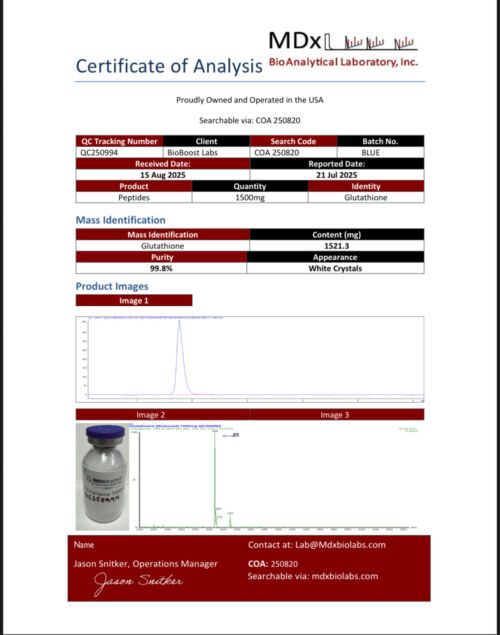
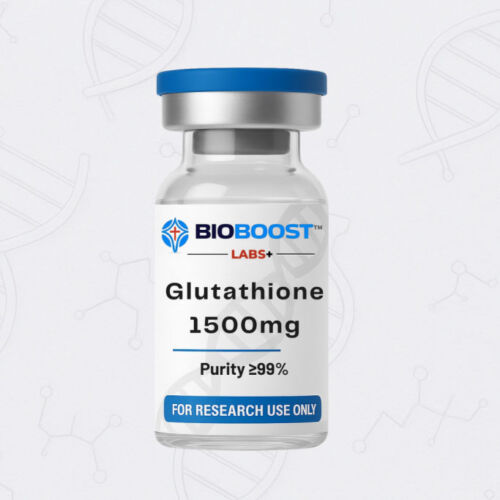 Endogenous antioxidant peptide evaluated for detoxification support, oxidative stress reduction, and immune balance. Promotes redox cycling and cell protection.
 -
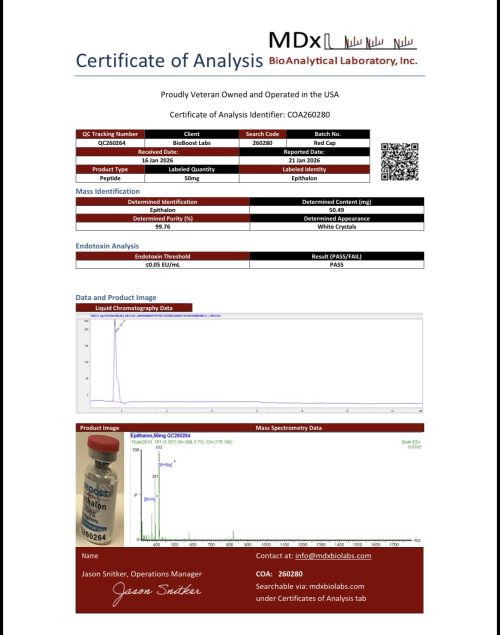
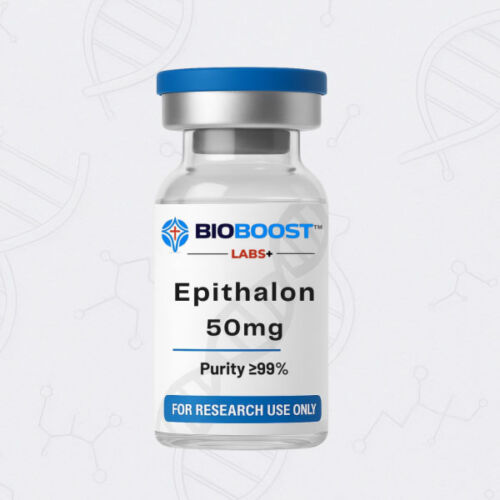 A synthetic tetrapeptide derived from the pineal gland peptide epithalamin. Research focuses on its telomerase activation and potential cellular aging regulation.
 -
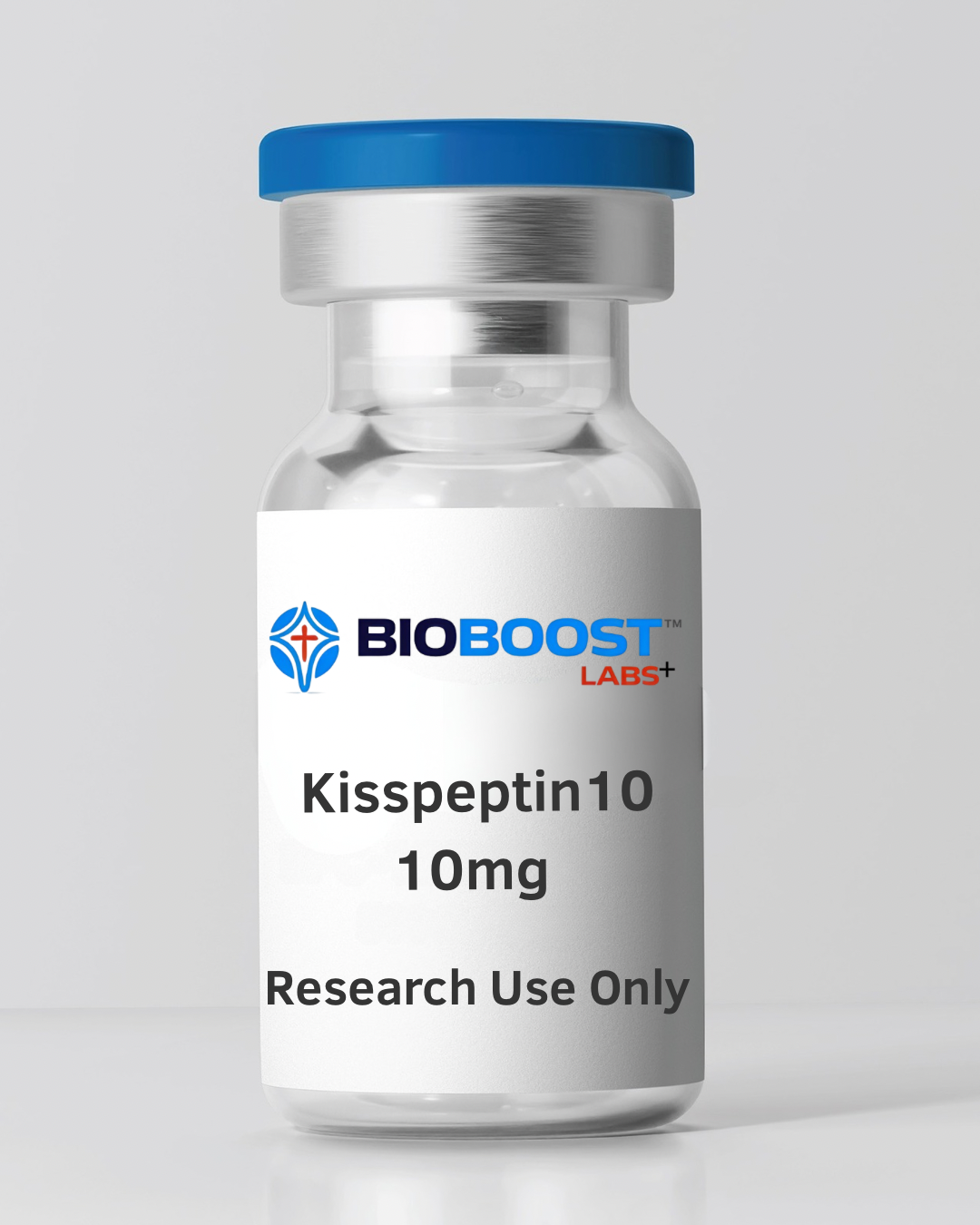
 A neuropeptide involved in GnRH signaling, studied for regulation of reproductive hormone cascades and hypothalamic-pituitary-gonadal axis activity.
 -
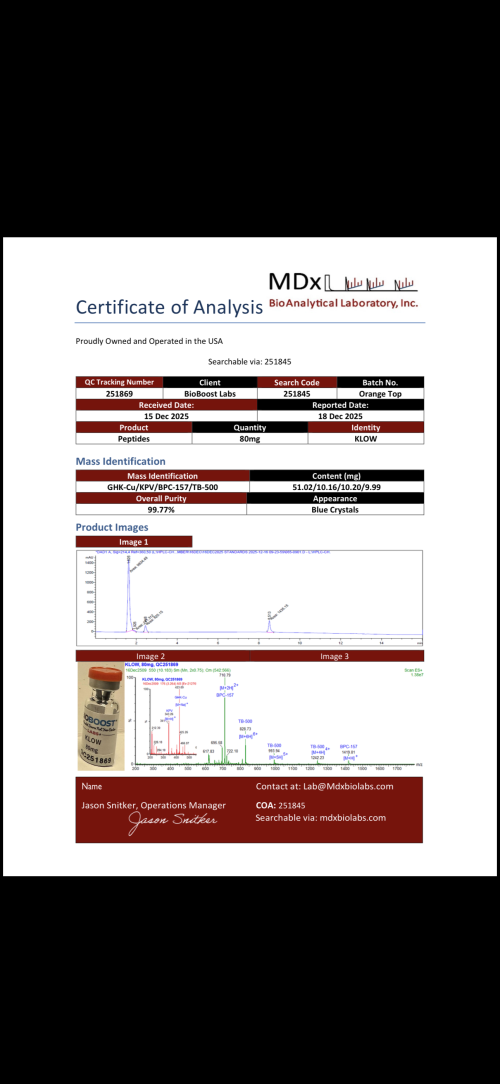
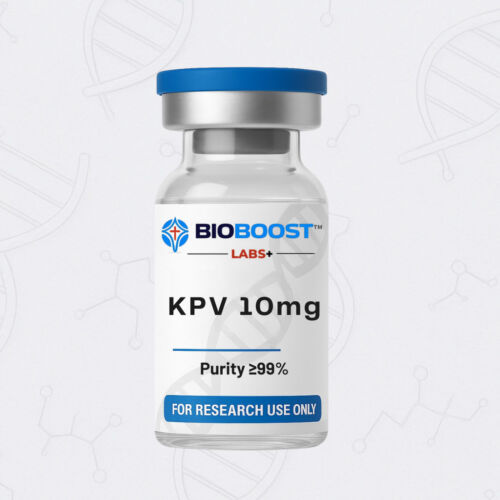 Alpha-MSH tripeptide fragment studied for potent anti-inflammatory activity through modulation of NF-?B and cytokine pathways. Explored in GI, dermatological, and systemic inflammation research.
 -
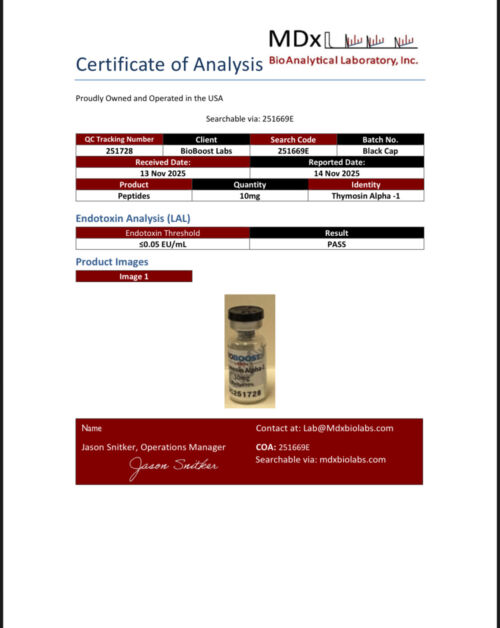
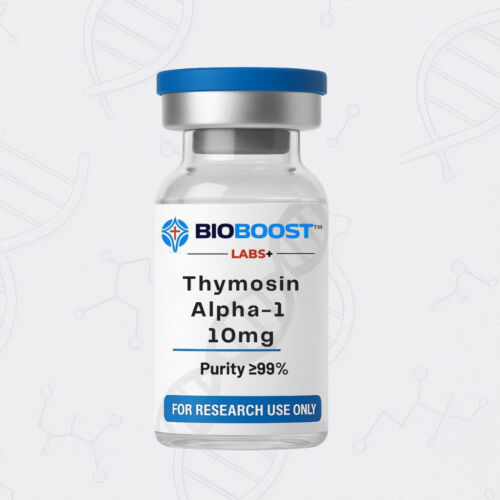 Peptide derived from thymus gland, researched for immunomodulatory roles in infection models, particularly viral and oncologic applications.
 -
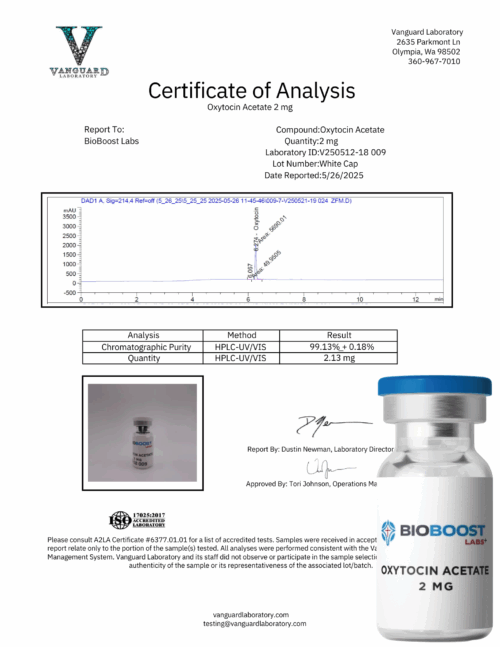
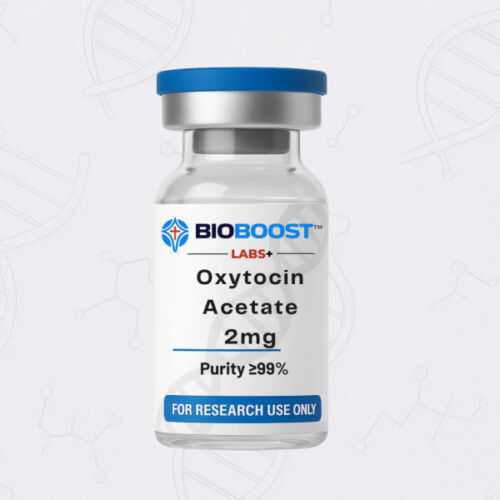 A neuropeptide associated with social bonding, trust, and reproductive behavior. Examined for CNS activity and behavioral modulation.
 -
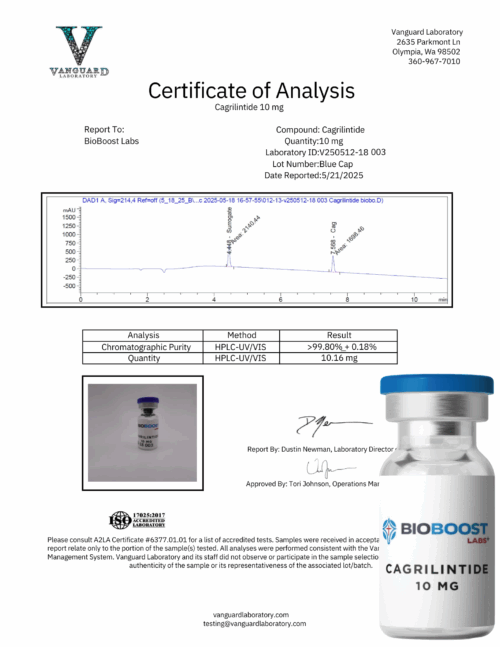
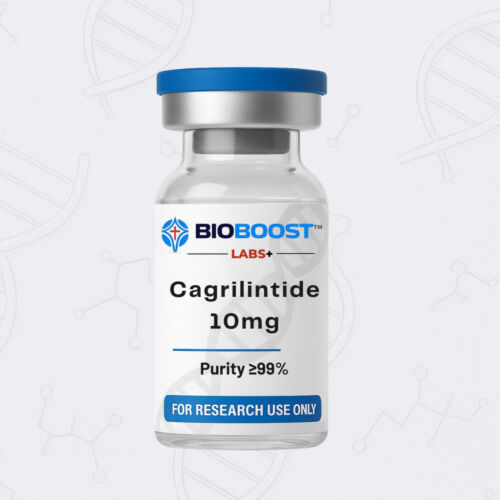 An amylin receptor agonist under research for its effects on appetite regulation and body weight management in combination with GLP-1 receptor agonists.
 -
Sale!
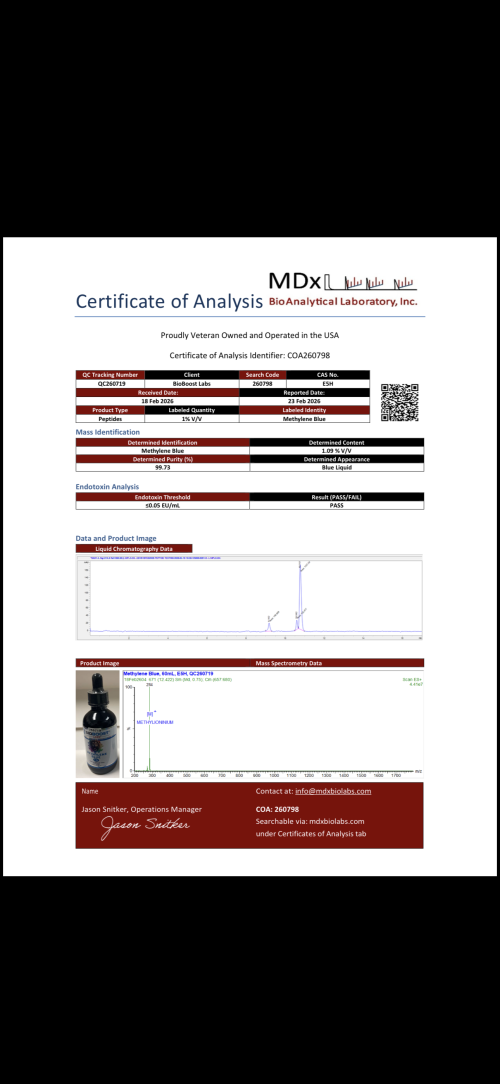
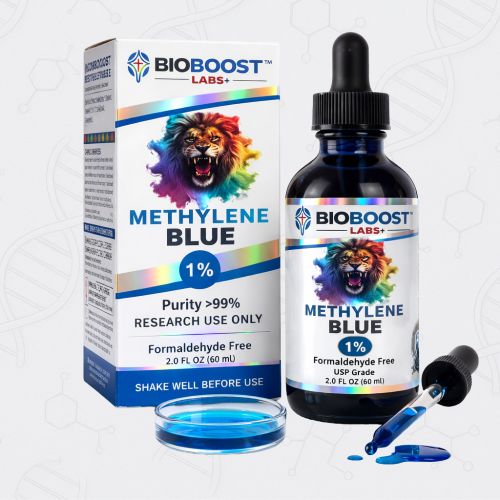 BioBoost Labs+™ Methylene Blue 1% Solution (60 mL) is a high‑purity, research‑grade methylthioninium chloride solution formulated for laboratory use. This 1% aqueous preparation is widely used as a redox‑active dye and photosensitizer in studies of mitochondrial function, oxidative stress, photodynamic systems, and related in vitro research. For research use only. Not for human or animal use. No medical or therapeutic claims.
 -
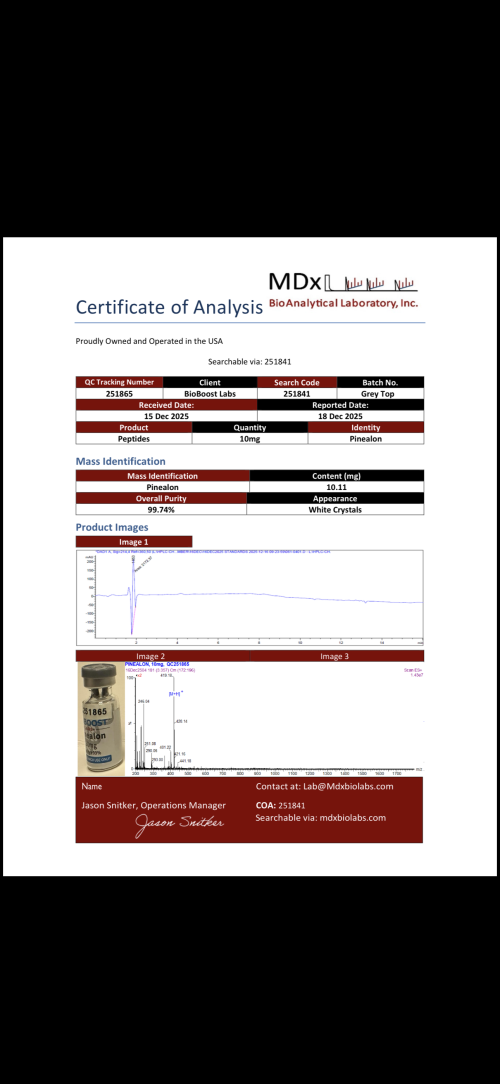
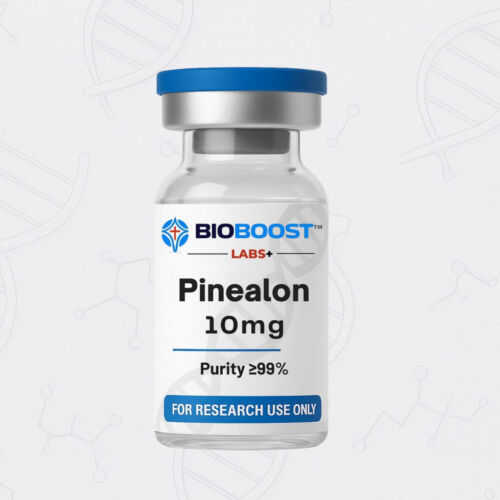 Synthetic peptide studied for cognitive support and neuroprotection, particularly via antioxidant mechanisms and RNA synthesis enhancement in neuronal tissue.
 -
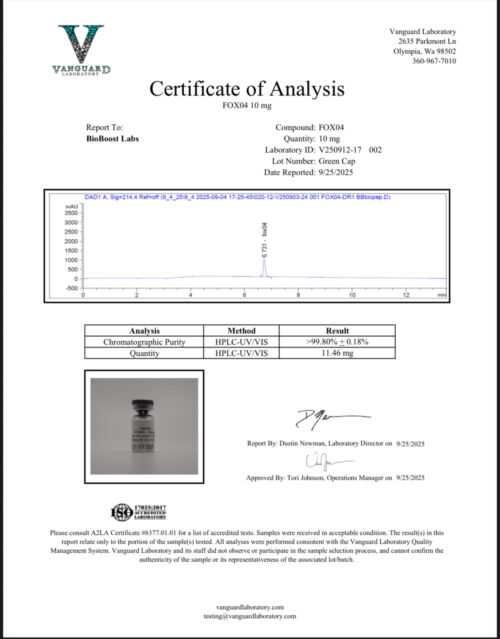
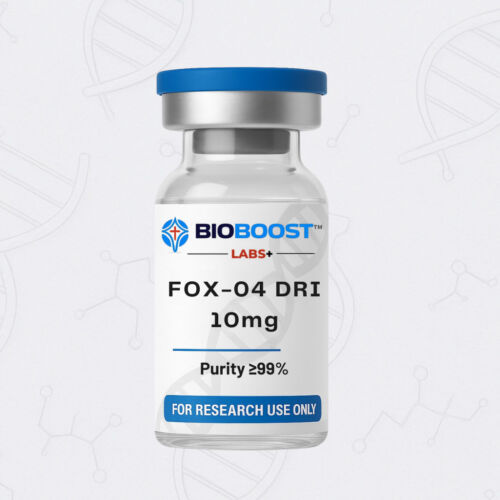 Investigated for its senolytic properties, this peptide disrupts FOXO4–p53 interactions to promote apoptosis in senescent cells, targeting aging and tissue regeneration pathways.
Complimentary Upgrade to 2-Day Shipping on Orders Over $300 | Pay for standard — we’ll handle the upgrade.

You must be logged in to post a comment.